Tooth sensitivity is one of the most common complaints in everyday dentistry. For some people, it shows up as a quick, sharp pain when drinking something cold. For others, it lingers after hot coffee, sweet foods, or even a deep breath of winter air. Whatever the trigger, sensitive teeth can make normal activities uncomfortable and can be a sign that something in your mouth needs attention.
At Orchard Family Dental in Leduc, tooth sensitivity is not treated as “just part of getting older.” It is a symptom with real, underlying causes that can usually be reduced or resolved once those causes are identified.
This guide explains what tooth sensitivity is, why it happens, how it is treated, and what you can do to protect your teeth long term.
What tooth sensitivity actually is
Healthy teeth are protected by a hard outer layer of enamel on the crown and a layer of cementum on the roots. Underneath these layers is dentin, which contains tiny tubules that lead directly to the pulp where the nerve lives. When enamel or cementum becomes thinner, worn, or damaged, heat, cold, sweets, or pressure can reach these tubules more easily and stimulate the nerve.
That stimulation is what you experience as a quick, sharp, or sometimes lingering pain.
Sensitivity can affect one tooth or multiple teeth. It can be mild and occasional or frequent and intense. In every case, it is a signal that your teeth or gums are under some kind of stress.
Common causes of tooth sensitivity
Tooth sensitivity rarely appears “for no reason.” Typical causes include:
Enamel erosion
Enamel can wear down over time due to:
- Frequent acidic drinks (sodas, energy drinks, citrus, vinegar-based beverages)
- High-sugar diets that feed cavity-causing bacteria
- Acid reflux or frequent vomiting
- Aggressive brushing with hard bristles
As enamel thins, it becomes easier for temperature and chemicals to reach the dentin underneath, leading to sensitivity.
Gum recession
When gum tissue pulls away from the teeth, it exposes the root surfaces. Roots are covered with a much thinner protective layer than enamel, so they are more sensitive to cold, touch, and brushing.
Gum recession can happen due to:
- Gum disease (periodontal disease)
- Brushing too hard or with a stiff toothbrush
- Long-term clenching or grinding
- Misaligned teeth causing uneven forces
Tooth decay and defective restorations
Cavities break down enamel and dentin, creating pathways for stimuli to reach the nerve. Old fillings, worn-down composite fillings, or cracked restorations can also leak, trap bacteria, and expose sensitive inner layers.
In these cases, sensitivity is often more specific to one tooth and may worsen over time.
Cracked or fractured teeth
Cracks in a tooth structure can open and close with changes in temperature or pressure. This movement irritates the nerve and can cause sharp sensitivity when you bite or when the tooth is exposed to hot or cold.
Cracks are more likely in teeth that have large fillings, have undergone heavy chewing forces, or are part of a clenching/grinding (bruxism) pattern.
Recent dental treatment
Temporary sensitivity is common after procedures such as fillings, crowns, or whitening. The nerve often becomes “irritated” and takes time to settle. While this usually improves on its own, persistent or worsening pain should be evaluated to rule out deeper issues.
When tooth sensitivity may indicate a bigger problem
Tooth sensitivity is not always an emergency, but certain patterns make a more serious problem likely:
- Sensitivity that turns into spontaneous, throbbing pain
- Pain that lingers long after the hot or cold stimulus is removed
- Sensitivity combined with swelling or a pimple-like bump on the gum
- A tooth that hurts when you chew or release your bite
- Sensitivity in a tooth with a history of deep decay or large restorations
These signs can indicate nerve inflammation, infection, or structural damage that may require treatment such as a root canal or other restorative procedures.
How tooth sensitivity is diagnosed at the dentist
An accurate diagnosis is essential before any treatment is chosen. At Orchard Family Dental, assessment for sensitive teeth typically includes:
- Detailed discussion of symptoms (triggers, duration, severity, which teeth are involved)
- Clinical examination of teeth and gums
- Gentle testing with air, cold stimulus, or tapping (percussion) to localize the problem
- Checking how your teeth fit together (your bite)
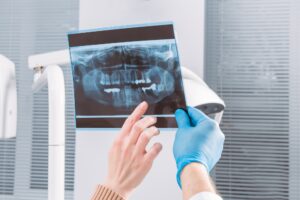
- X-rays when needed to evaluate roots, bone, and the spaces under fillings or crowns
In some cases, sensitivity is related to multiple factors at once—such as mild gum recession plus enamel erosion plus early decay—so the treatment plan may address several issues together.
You can review the dedicated page on tooth sensitivity treatment for a focused overview of how these problems are approached in this practice.
Treatment options for sensitive teeth
Treatment depends on what is causing your sensitivity. Common approaches include:
Desensitizing toothpaste and topical agents
For mild generalized sensitivity, your dentist may recommend:
- Desensitizing toothpaste to use at home
- In-office application of desensitizing varnishes or gels
These products help block the tubules in the dentin and reduce the nerve’s response to stimuli.
Fluoride treatments
Fluoride strengthens enamel and can reduce sensitivity by making tooth surfaces more resistant to acid attack and wear. In-office fluoride treatment combined with prescription-strength fluoride toothpaste for home use is often effective for early or widespread sensitivity.
Restorative treatment
When decay, cracks, or worn restorations are present, restorative procedures may be necessary:
- Composite fillings to seal areas of exposed dentin or repair cavities
- Dental crowns to protect structurally compromised or cracked teeth
- Replacement of leaking or defective old fillings
If the tooth nerve is damaged or infected, root canal therapy may be recommended to remove the inflamed tissue and seal the tooth from the inside.
Gum treatment and coverage of exposed roots
If gum disease or recession is contributing to sensitivity, treatment may include:
- Professional teeth cleanings to remove plaque and tartar below the gumline
- Improved home-care strategies to stabilize gum health
- In some cases, referral for procedures to cover exposed roots
Stabilizing the gums not only reduces sensitivity but also protects the supporting bone and long-term tooth stability.
Everyday habits that help protect sensitive teeth
Alongside professional care, daily habits have a major impact on sensitivity. Key practices include:
- Brushing gently with a soft-bristled toothbrush
- Using a toothpaste formulated for sensitive teeth if recommended
- Waiting at least 30 minutes to brush after acidic foods or drinks
- Limiting frequent sipping of acidic or sugary beverages
- Wearing a night guard if you clench or grind your teeth
- Keeping regular preventive visits so early changes are caught before they become severe
Small adjustments—like changing how you brush or how often you consume acidic drinks—can significantly reduce the stress on your enamel and dentin.
The role of regular checkups
Tooth sensitivity can change over time. Regular dental visits allow your dentist to compare today’s findings with previous records and x-rays, and to adapt your care plan as needed.
Consistent checkups help:
- Track whether sensitivity is stable, improving, or worsening
- Catch small cracks or areas of recession before they become major problems
- Ensure that restorations remain well sealed and supportive
- Identify systemic or lifestyle changes that might be affecting your teeth
At Orchard Family Dental, tooth sensitivity is handled as part of a comprehensive evaluation of your oral health, not as an isolated symptom. The goal is to understand why your teeth are reacting and to create a plan that reduces discomfort while protecting long-term tooth structure.